The cost of survival: The quiet revolution in pediatric cell therapy
As childhood leukemia survival rates improve, clinicians are asking a new question: can we cure more patients without leaving them with a lifetime of treatment-related damage?
For decades, the victory condition for childhood leukemia has been simple: keep the patient alive. But at last week's Built with Cells networking event, organized by Cellerator and Miltenyi Biotec, clinicians and researchers argued that survival is no longer enough. The standard of care, a grueling regimen of high-dose chemotherapy and bone marrow transplants, is leaving a generation of survivors with severe skeletal damage, organ failure and other life-altering complications.
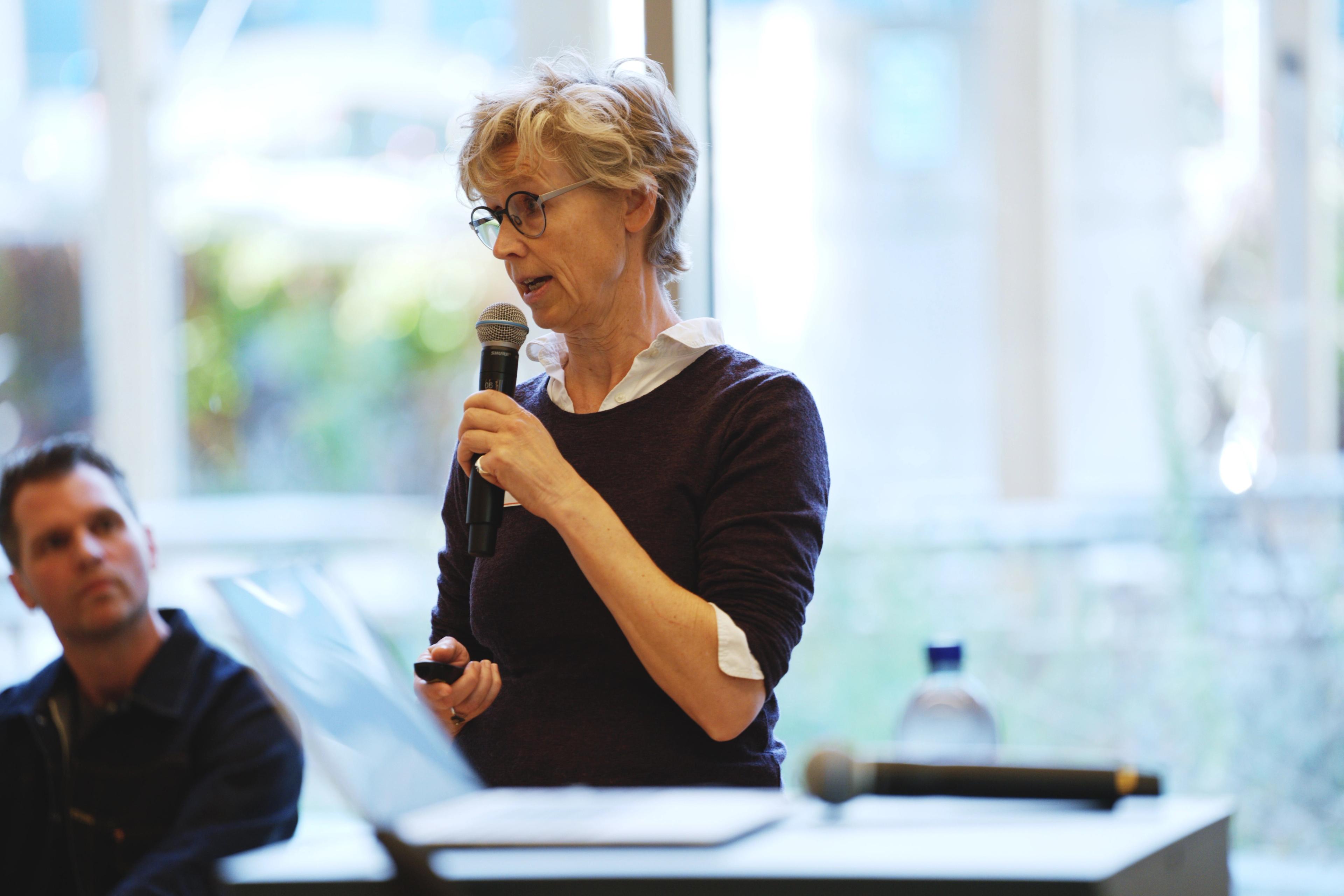
Dr. Marianne Ifversen, a senior consultant at Rigshospitalet, presented a sobering reality. While nearly 80% of pediatric leukemia patients survive, a significant portion of those between ages 10 and 17 suffer severe toxicities. These are not temporary side effects but life-altering consequences: years spent in wheelchairs, kidney transplants and permanent skeletal damage.
A new treatment paradigm
The solution, Ifversen argues, lies in the transition of CAR-T cell therapy from a last-resort experimental treatment to a frontline defence. CAR-T cells, which are genetically reprogrammed to hunt cancer, offer a toxicity-sparing alternative. The clinical results from recent academic trials at Herlev Hospital suggest that locally produced, academic CAR-T cells are not only feasible to manufacture but may actually carry lower toxicity profiles than their commercial counterparts.
However, the path from the laboratory bench to the hospital bedside is fraught with systemic friction. Because childhood leukemia is a rare disease, it lacks the volume to attract significant commercial interest. This creates a gap that academic hospitals and research institutions are increasingly stepping in to fill, developing and manufacturing therapies for patient groups that are often too small to attract substantial commercial investment.
Building the Nordic model
The transition is not fast. Ifversen's data showed it took six years to move from the initial idea to the first patient treatment. Patience and persistence are essential, she noted, highlighting that changing regulations and the need for 10 million kroner in initial funding often stall progress.
The next phase of this scientific journey is the CARS4ALL trial. This initiative aims to break the centralised manufacturing model, using a tech transfer strategy to allow hospitals across the Nordic region to produce their own CAR-T cells locally. If successful, the trial, slated for a 2027 clinical start, could provide a global blueprint for how personalised medicine can be delivered to rare disease patients without the crippling price tag, or the crippling side effects, of the past.
Reach out to hear more